(source: team17)
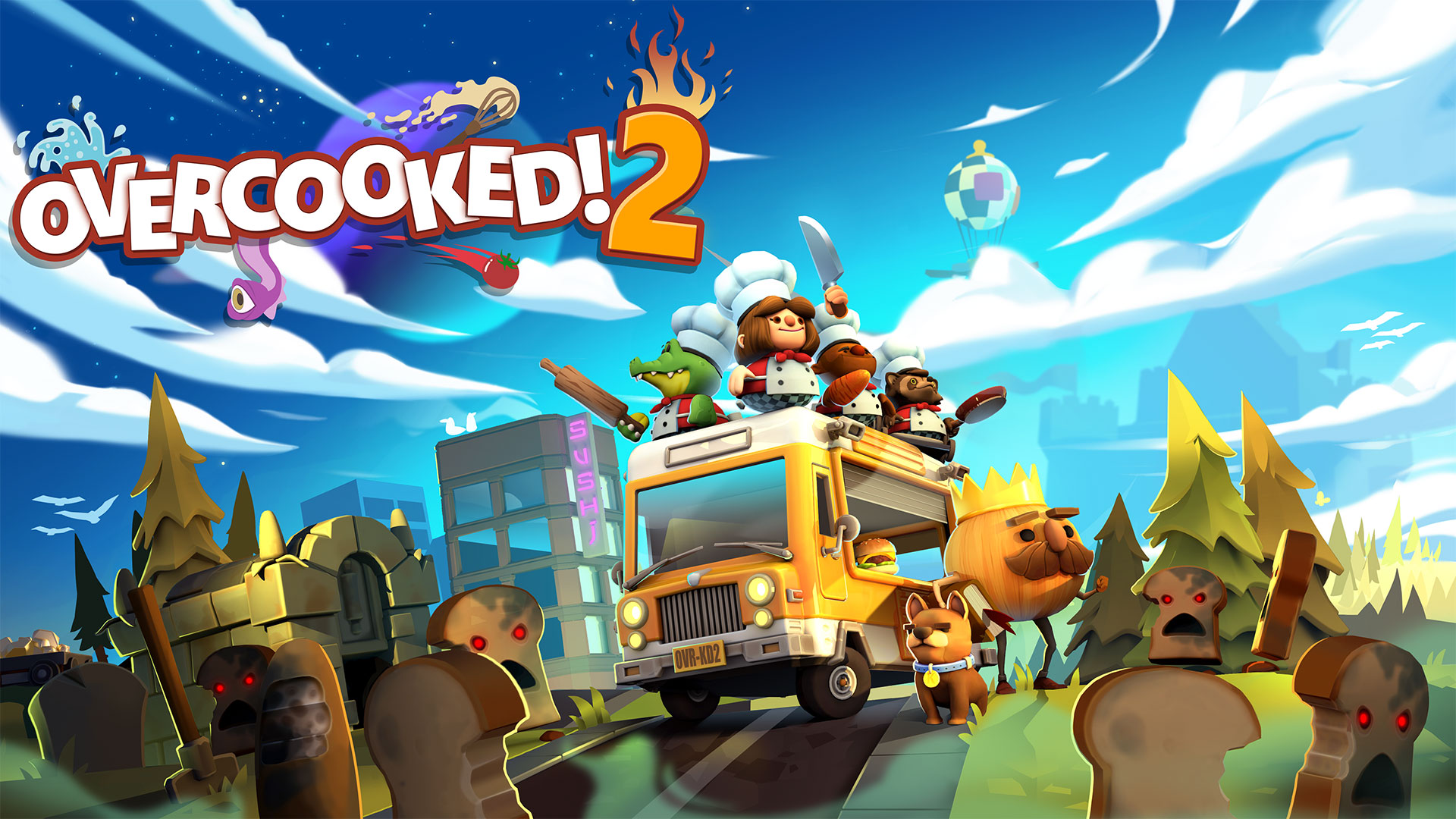
I was invited by some friends to play a video game called “Overcooked 2”. I was not particularly interested at first but right after I started playing the game, I fell in love with it. It was thrilling and the fulfillment from cooperation was high. For those who do not know what it is, in short, it is a fast-paced video game in which 2-4 players are supposed to cooperate to do different tasks and finish as many dishes as possible.* The best strategy for the group is each player focusing on certain task(s).
This game does not only teach us the importance of cooperation, but also some economic concepts. Specialization is crucial for the operation and development of a firm, an organization, a society or even a family. It allows us to be much more productive. One of the reasons is that it saves us time. In Overcooked, if all 4 players do not cooperate and everyone produces a dish by themselves, then everyone would have to walk more in order to go to different sections and do different tasks. More distance walked means more time needed, and more time needed means fewer dishes made, obviously.

Fixed resources is another reason. Space is fixed so mobility is also restricted. If everyone keeps walking around in the kitchen, then they would keep bumping into each other, everyone will keep delaying each other. Kitchenware is also fixed, so some people would have to wait for the pots after they cut the tomatoes, if they have enough knives and cutting boards to cut the tomatoes in the first place. These are very similar in a real kitchen.
And in real life, people have different skill sets. Some people are better at chopping things and some are better at washing dishes, which is another reason why specialization increases productivity.** This could be the result of learning or could simply be talent. Specialization does not only increase the quantity of products and goods and but also the quality.
Division of labor is crucial to the success of businesses and organizations. That is why big companies and governments have many departments and divisions where members of which specialize in very specific areas. Imagine, in a restaurant, all workers are chefs, waiters/waitresses, dishwashers and cashiers at the same time, how much knowledge and skill sets would that require?
We focus on learning and doing certain tasks out of all the tasks exist in this world and trade for products and goods among ourselves by using currency. High quantity and quality of products and goods are the fruits of that. It was definitely not a planned program, but our civilization thrived because of all macro and micro unintentional cooperation and the specialization of labor.
*You may check out what the game actually looks like from here.
**Maybe the developer (team17) can consider this element for Overcooked 3.
This game does not only teach us the importance of cooperation, but also some economic concepts. Specialization is crucial for the operation and development of a firm, an organization, a society or even a family. It allows us to be much more productive. One of the reasons is that it saves us time. In Overcooked, if all 4 players do not cooperate and everyone produces a dish by themselves, then everyone would have to walk more in order to go to different sections and do different tasks. More distance walked means more time needed, and more time needed means fewer dishes made, obviously.
(Source: Gematsu)
Fixed resources is another reason. Space is fixed so mobility is also restricted. If everyone keeps walking around in the kitchen, then they would keep bumping into each other, everyone will keep delaying each other. Kitchenware is also fixed, so some people would have to wait for the pots after they cut the tomatoes, if they have enough knives and cutting boards to cut the tomatoes in the first place. These are very similar in a real kitchen.
And in real life, people have different skill sets. Some people are better at chopping things and some are better at washing dishes, which is another reason why specialization increases productivity.** This could be the result of learning or could simply be talent. Specialization does not only increase the quantity of products and goods and but also the quality.
Division of labor is crucial to the success of businesses and organizations. That is why big companies and governments have many departments and divisions where members of which specialize in very specific areas. Imagine, in a restaurant, all workers are chefs, waiters/waitresses, dishwashers and cashiers at the same time, how much knowledge and skill sets would that require?
Now let us take it to a much higher level. What if a person who wants to open a restaurant has to do everything starting from the carpentry, painting, designing the layout of the restaurant to growing their own vegetables and raising chickens? That would not be completely impossible, but it would be very difficult and time-consuming.
Now let us take it an even higher level. What if we lived in a society where people do not trade services and goods at all? That would hardly be possible, or at least it would not give us a life of high quality. What would we have to do when we get sick? Would we have to learn to be our own doctors? How much could we possibly learn when we have to dedicate so much time to growing our own food and fixing the roof? Would we still have so much innovation and technology when we do not have extra time to develop all that? Our society would not be this prosperous without the specialization of labor and trade.
We focus on learning and doing certain tasks out of all the tasks exist in this world and trade for products and goods among ourselves by using currency. High quantity and quality of products and goods are the fruits of that. It was definitely not a planned program, but our civilization thrived because of all macro and micro unintentional cooperation and the specialization of labor.
*You may check out what the game actually looks like from here.
**Maybe the developer (team17) can consider this element for Overcooked 3.

No comments:
Post a Comment